Little pockets, endless possibilities
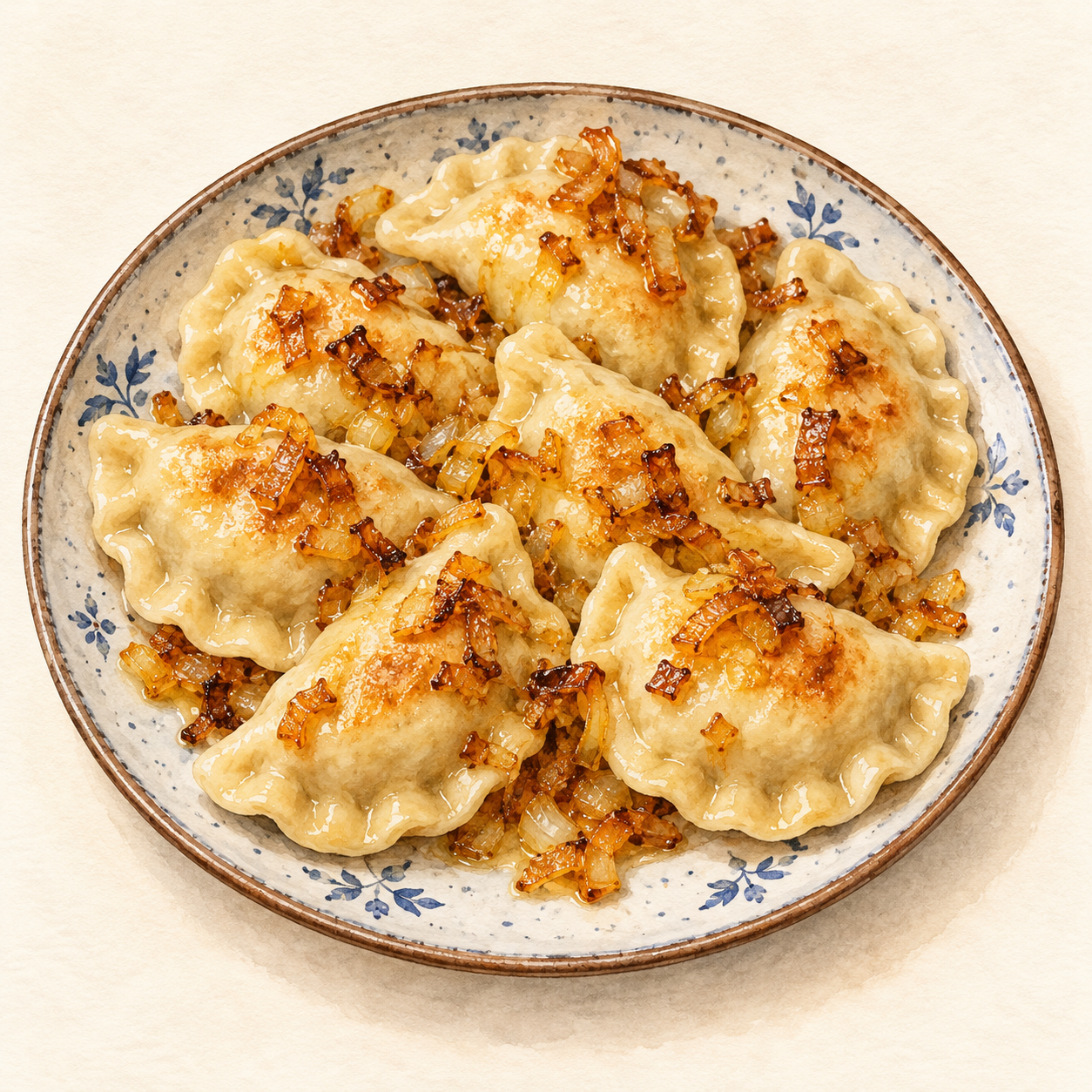
Pierogi
Hand-folded dumplings welcome savoury and sweet fillings. Potato and twaróg, cabbage and mushrooms, meat or summer berries each tell a different family story.
 Polish PridePOLSKA. Z BLISKA.
Headlines and reported scores from the last 24 hours. Refreshes every 5 minutes; expired items disappear automatically. Scores are reported results, not a live scoreboard. Times are Warsaw local time.
Weather source: IMGW-PIB. Major-news alerts require matching reports from at least two selected independent publishers and expire after 24 hours. This automatic filter may miss events.
Extraordinary cities. Untamed nature. A thousand stories in between. Discover the places that make us proud.
Find your next discoveryNot just a place on the map. A place in your heart.
✳From the Baltic coast to the Tatra peaks. Pick a place. Follow your curiosity.
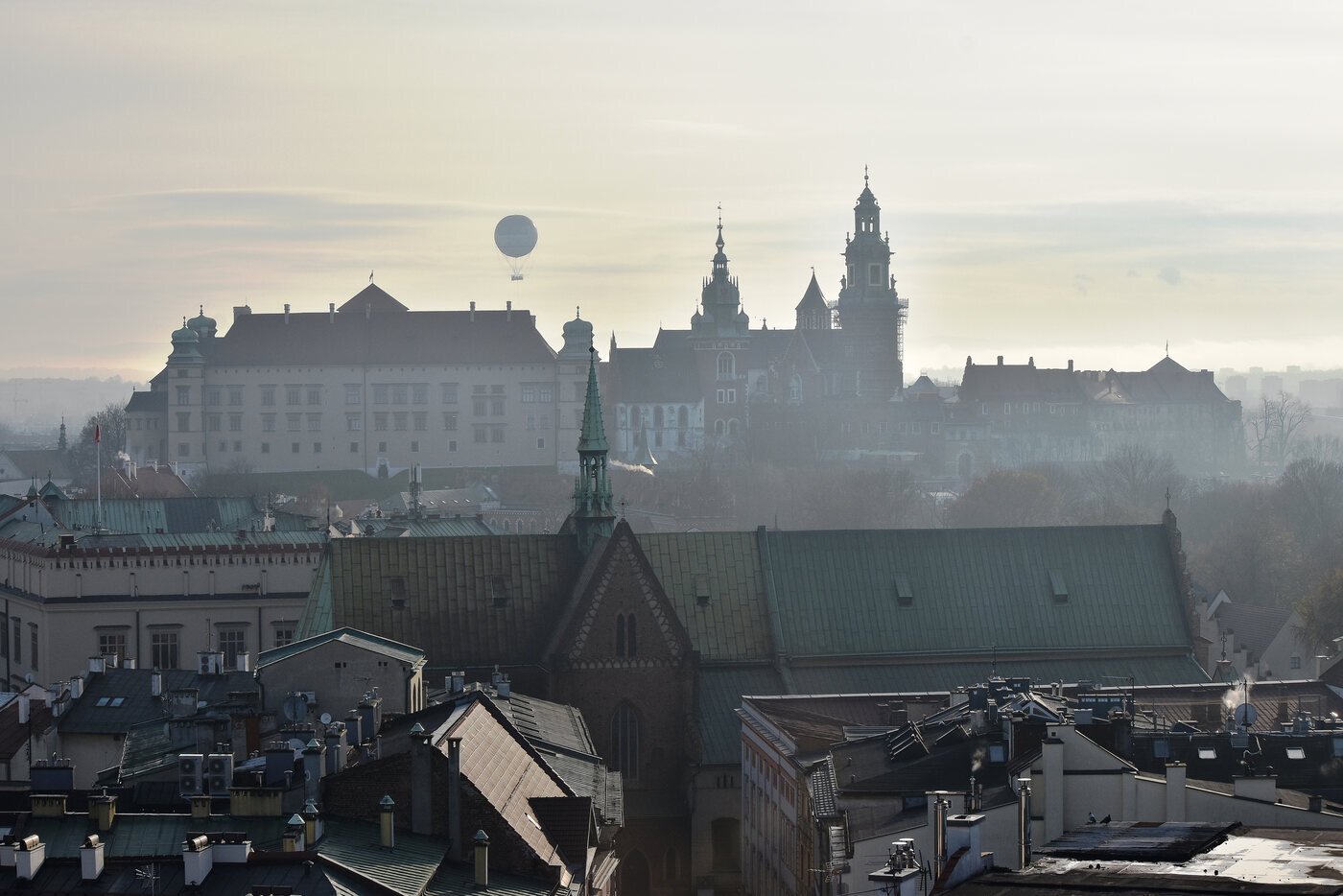
The heart of royal Poland
Elevation colours and shaded relief are derived from NOAA ETOPO1. Rivers and the simplified country outline use Natural Earth data. The roughly 2-arc-minute terrain grid is a small-scale overview, not a navigation or hiking map; it does not resolve exact summit heights.
NOAA ETOPO1 ↗Natural Earth ↗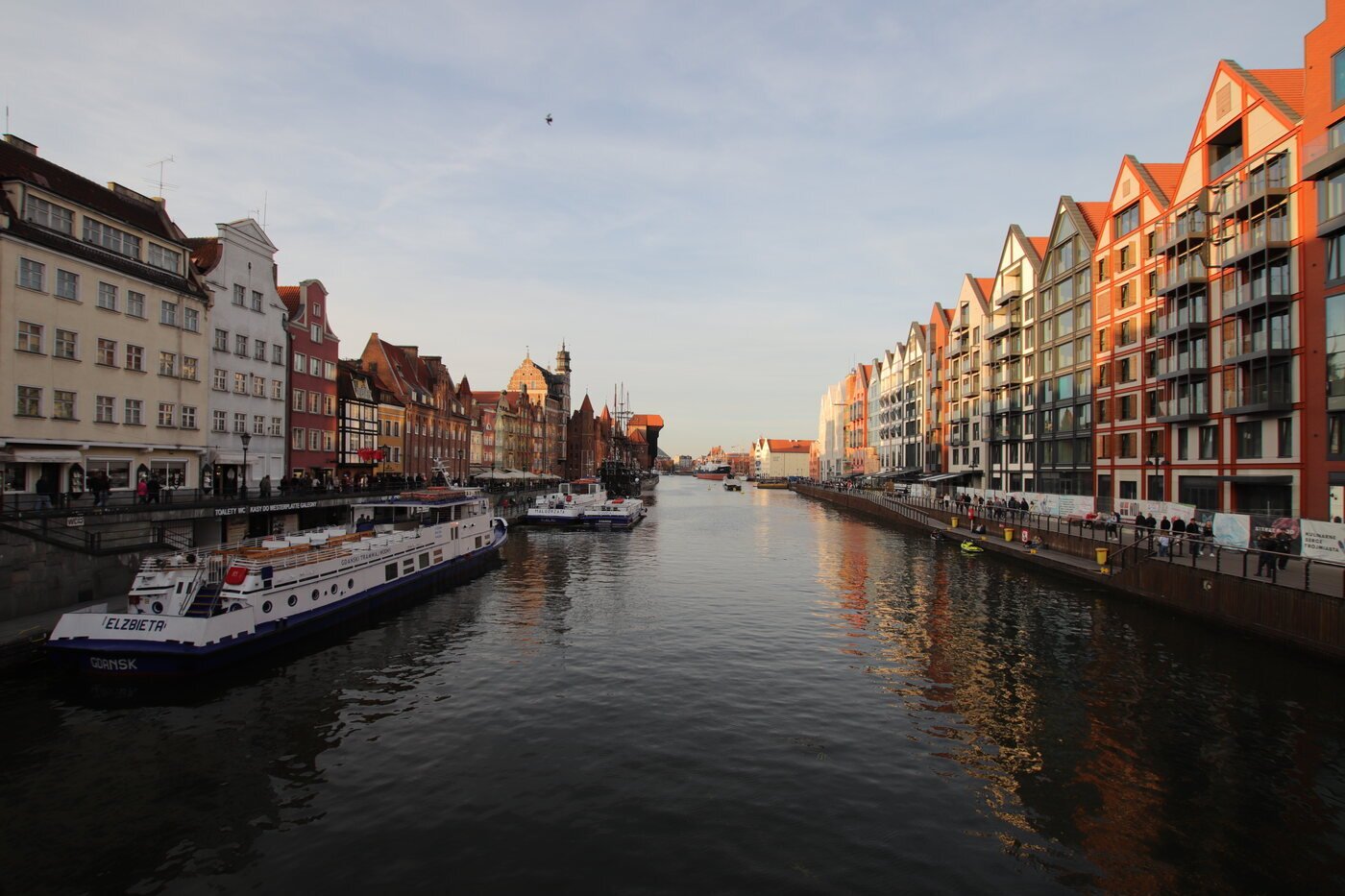 © Andrzej Otrębski · CC BY-SA 4.0 CITY STORIES
Where Poland meets the sea
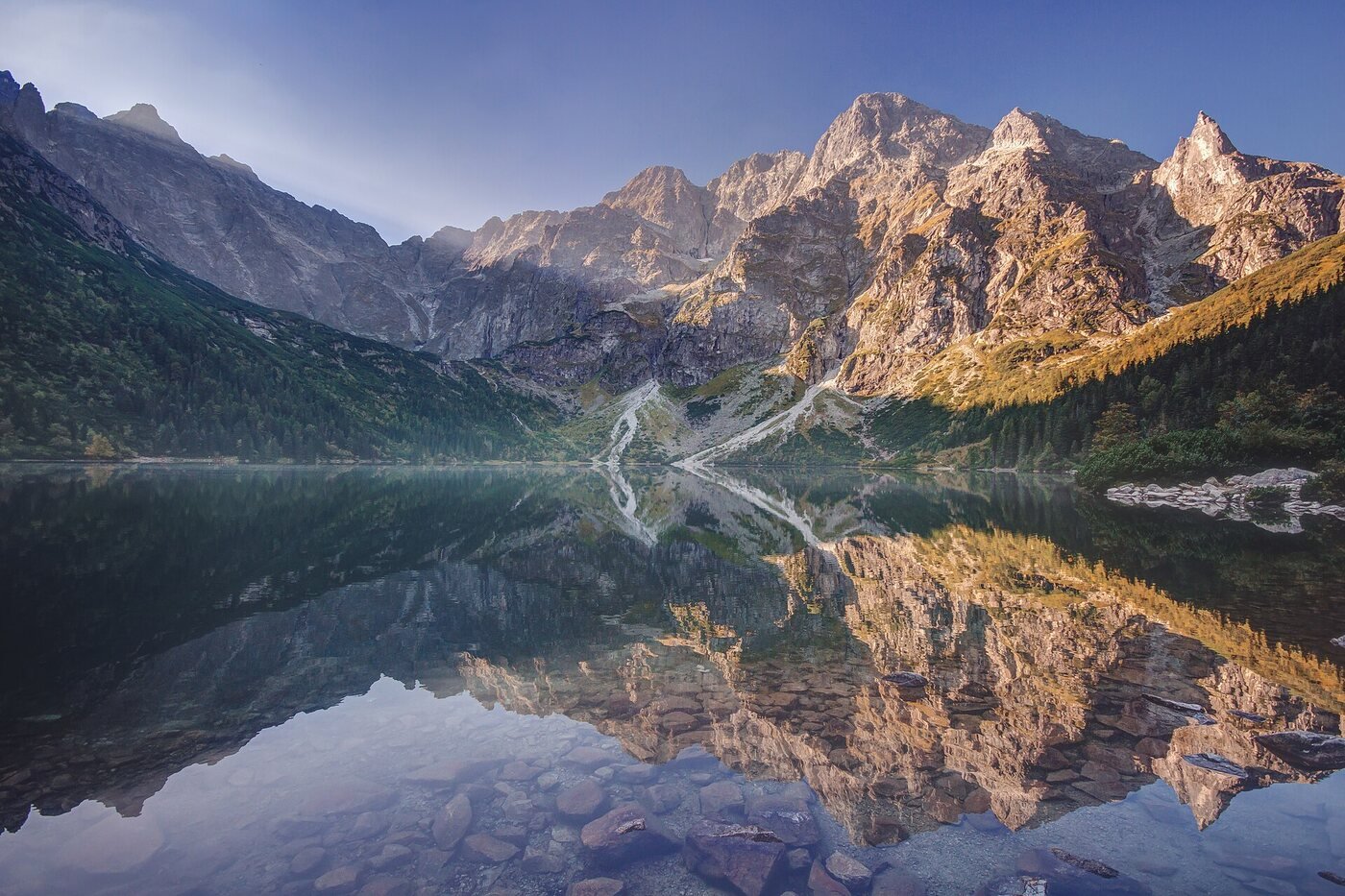 © Aneta Pawska · CC BY 3.0 NATIONAL PARK
A higher kind of wonder
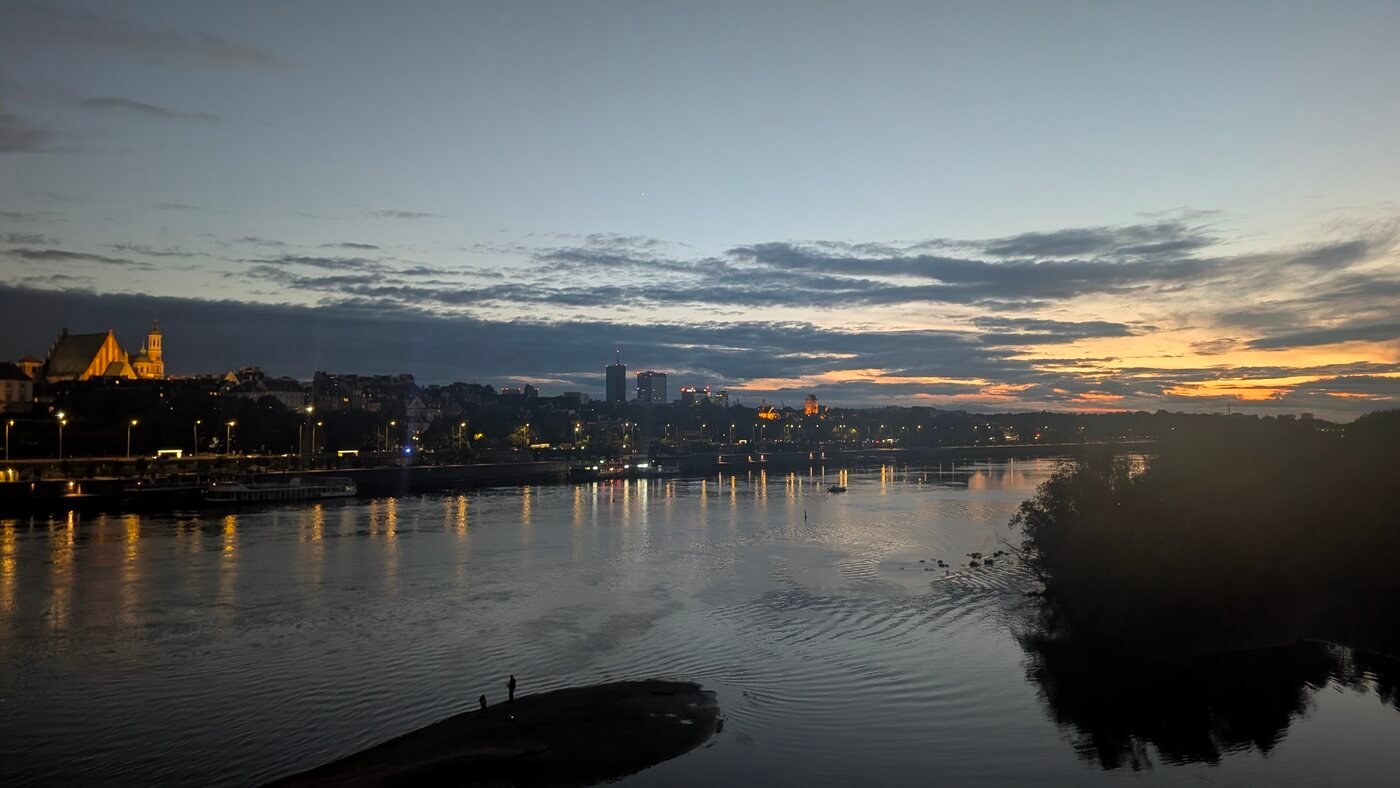 © Oleslawlama · CC BY-SA 4.0 CITY STORIES
A city that rose again
 © Adrian Tync · CC BY-SA 4.0 CITY STORIES
From coal to culture
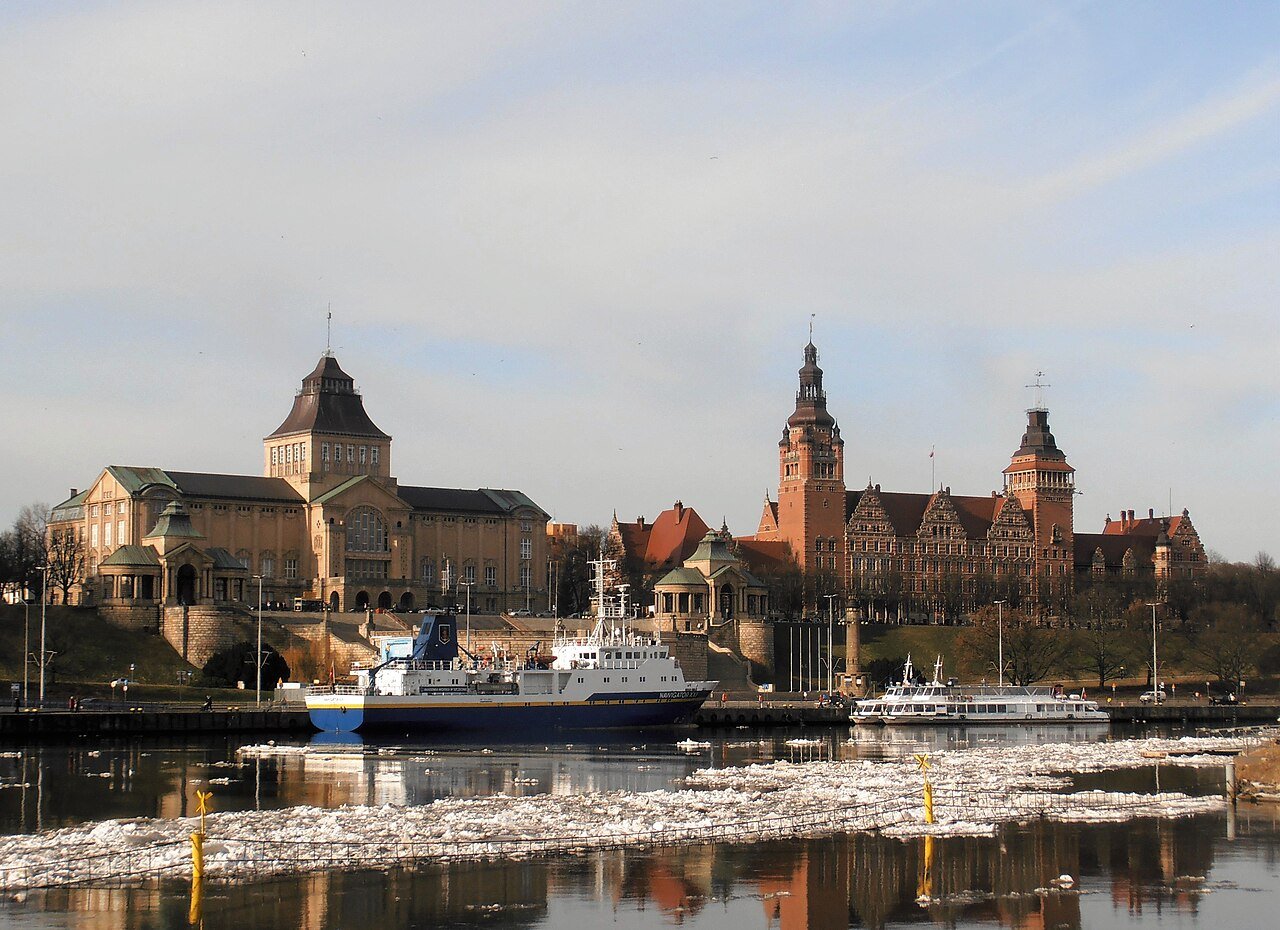 © Szczecinolog · CC BY-SA 4.0 CITY STORIES
A port city with a different rhythm
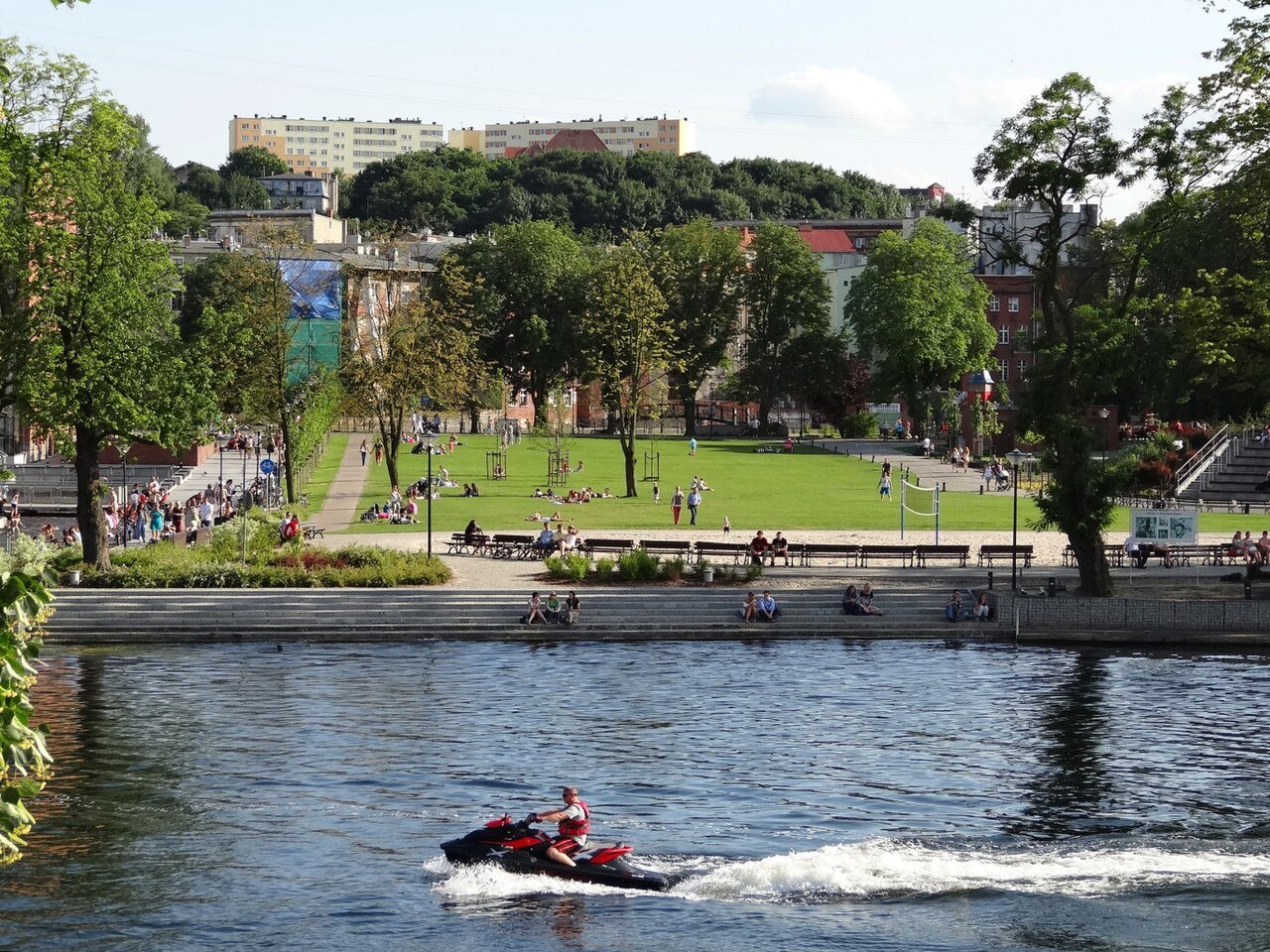 © Pit1233 · CC0 CITY STORIES
Where the river holds the memories
Polish cuisine earns its admirers through generous hospitality and patient craft: sour rye starters, pickled vegetables, forest mushrooms and recipes passed between generations. Regional traditions and centuries of cultural exchange bring remarkable variety to a table that feels like home.
A first helping, not a complete menu: Poland’s regions have many more specialities to discover.
Hand-folded dumplings welcome savoury and sweet fillings. Potato and twaróg, cabbage and mushrooms, meat or summer berries each tell a different family story.
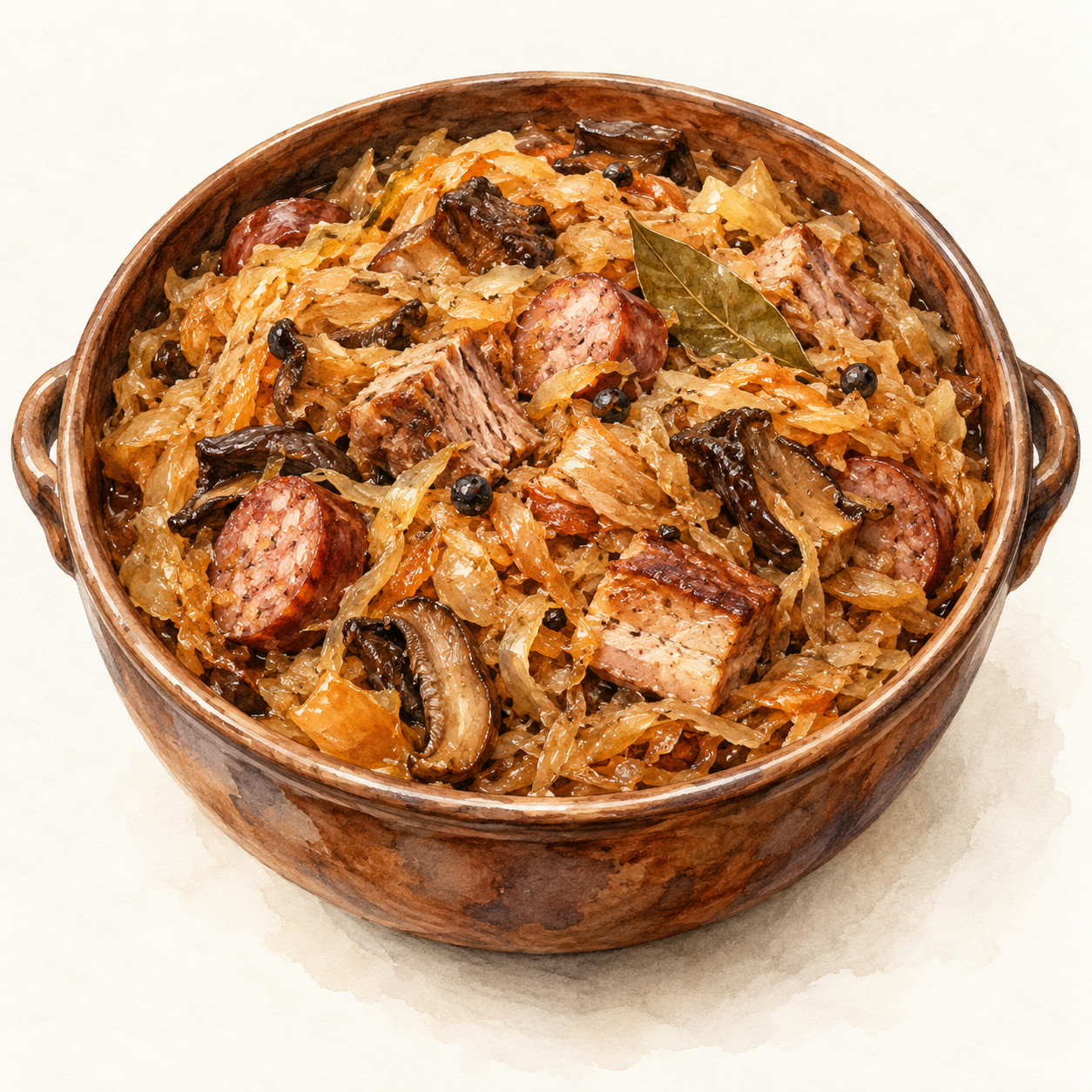
Sauerkraut and fresh cabbage slowly simmer with meat, sausage and mushrooms. Recipes vary from home to home; slow cooking brings their rich flavours together.
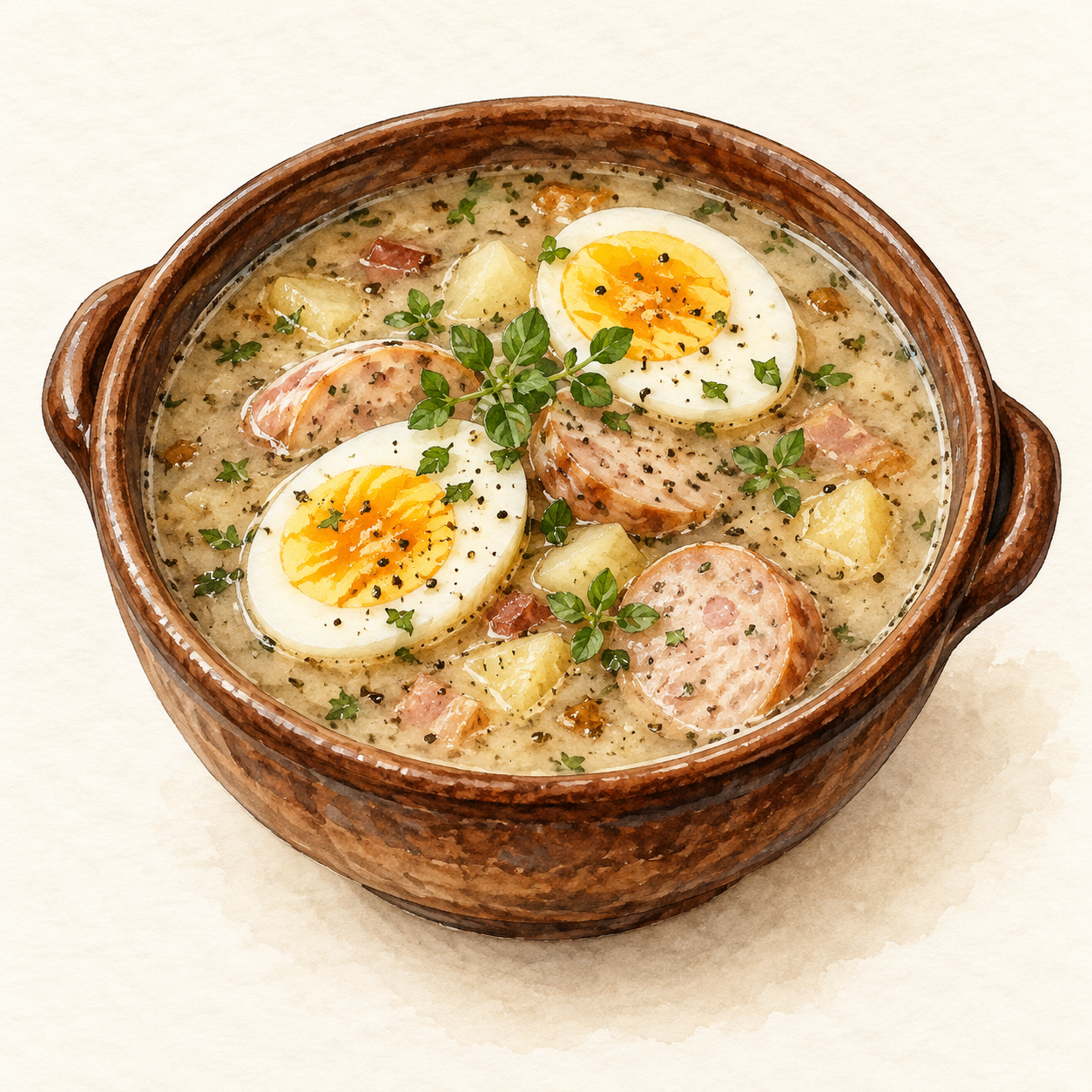
Fermented rye starter gives this soup its distinctive sourness. White sausage, egg and marjoram are familiar additions, especially around Easter.
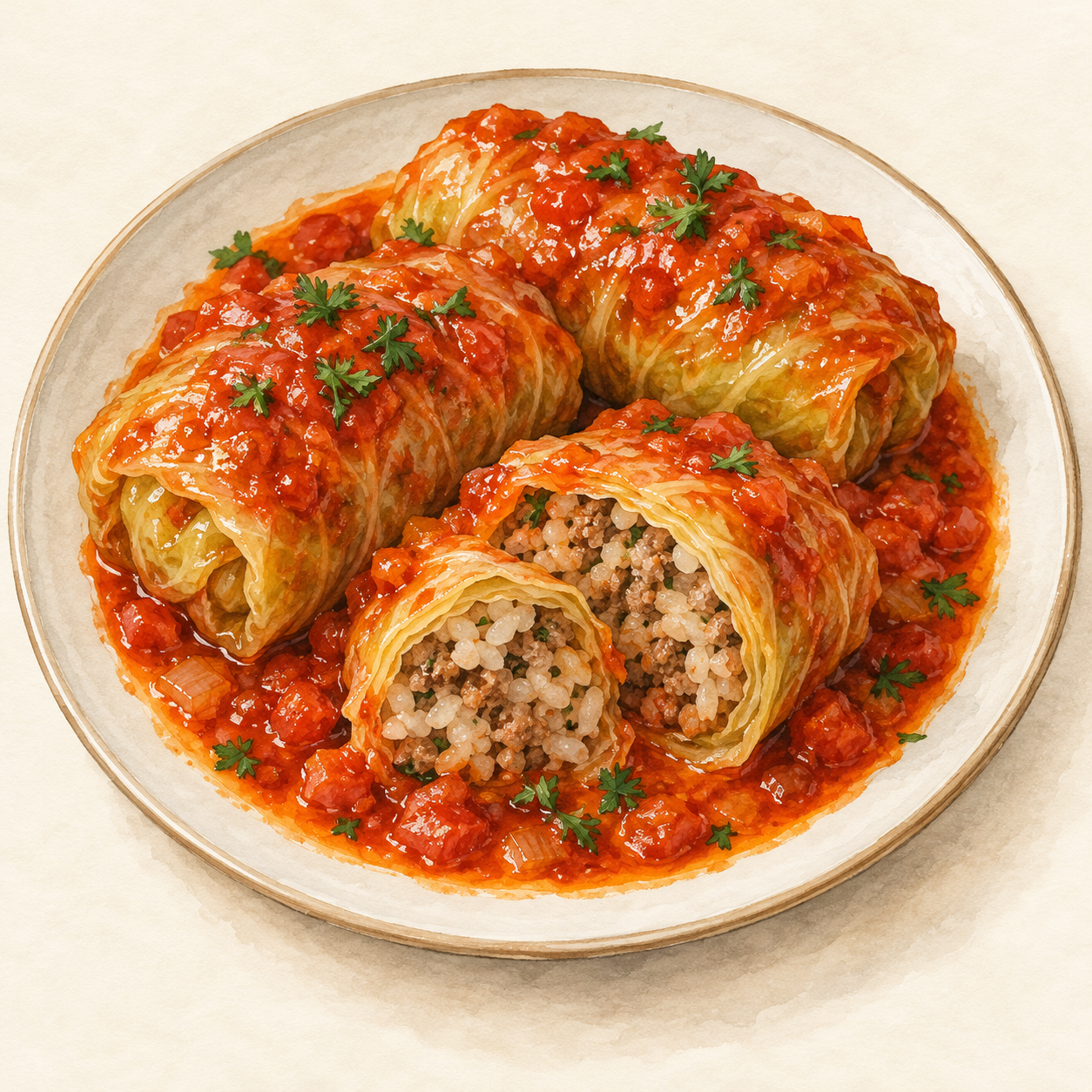
Cabbage leaves wrap a filling of rice or groats and minced meat, often served with tomato sauce. Mushroom and grain versions are loved too.
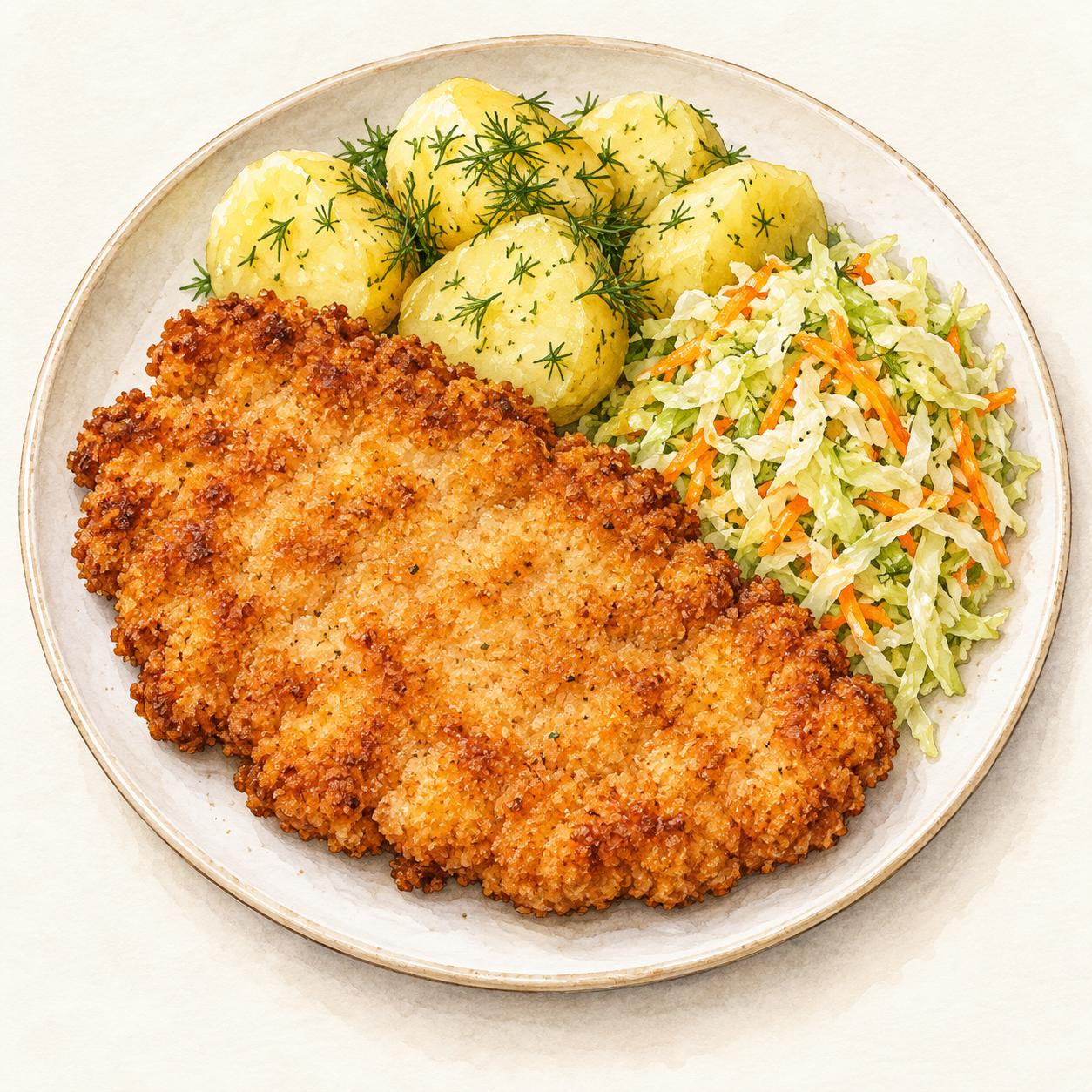
A thin pork cutlet in a crisp golden breadcrumb coating, traditionally paired with potatoes and cabbage or cucumber salad. Familiar ingredients, carefully prepared.
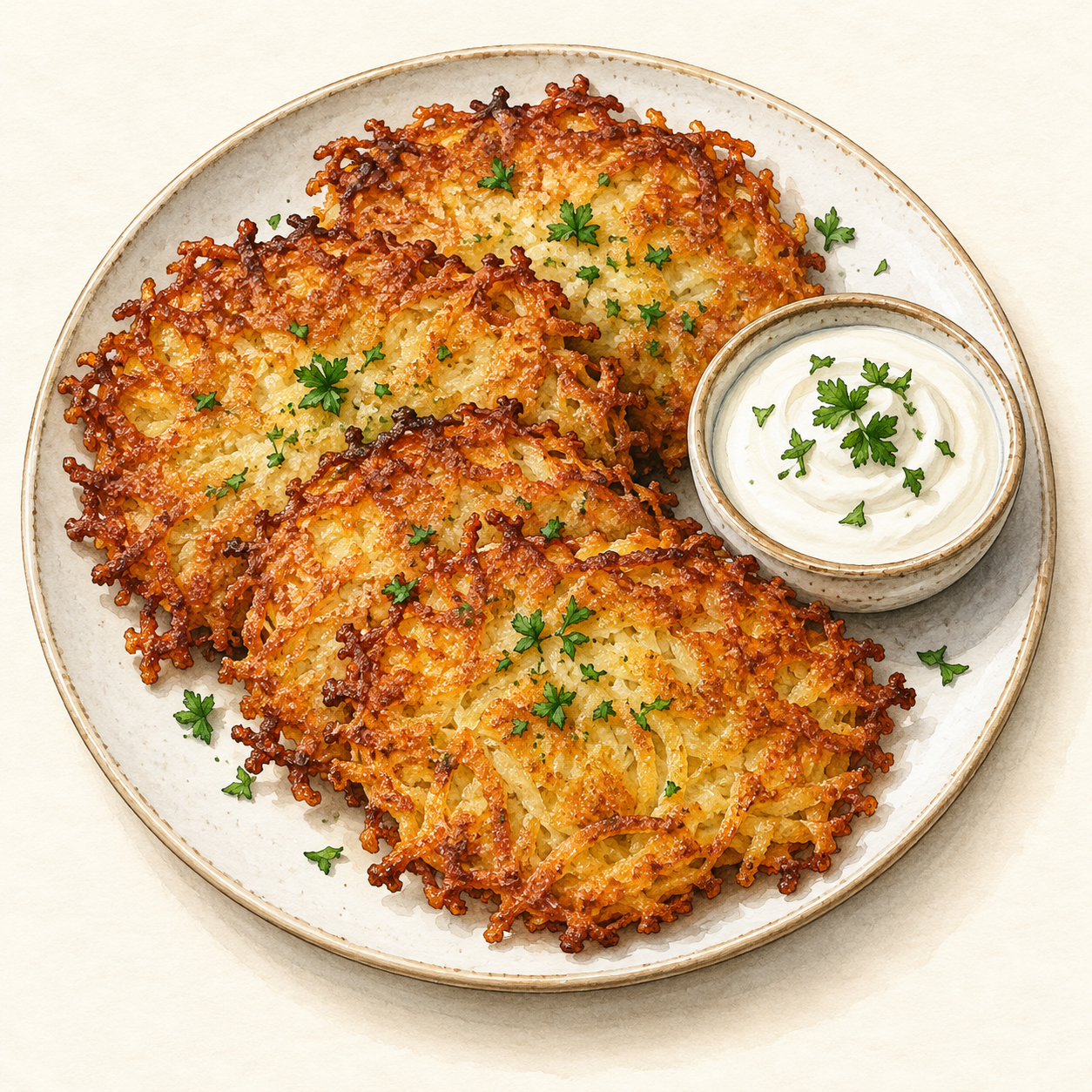
Grated potatoes become crisp-edged pancakes. Enjoy them with sour cream, mushroom sauce or a savoury stew; some families prefer a sweet topping.
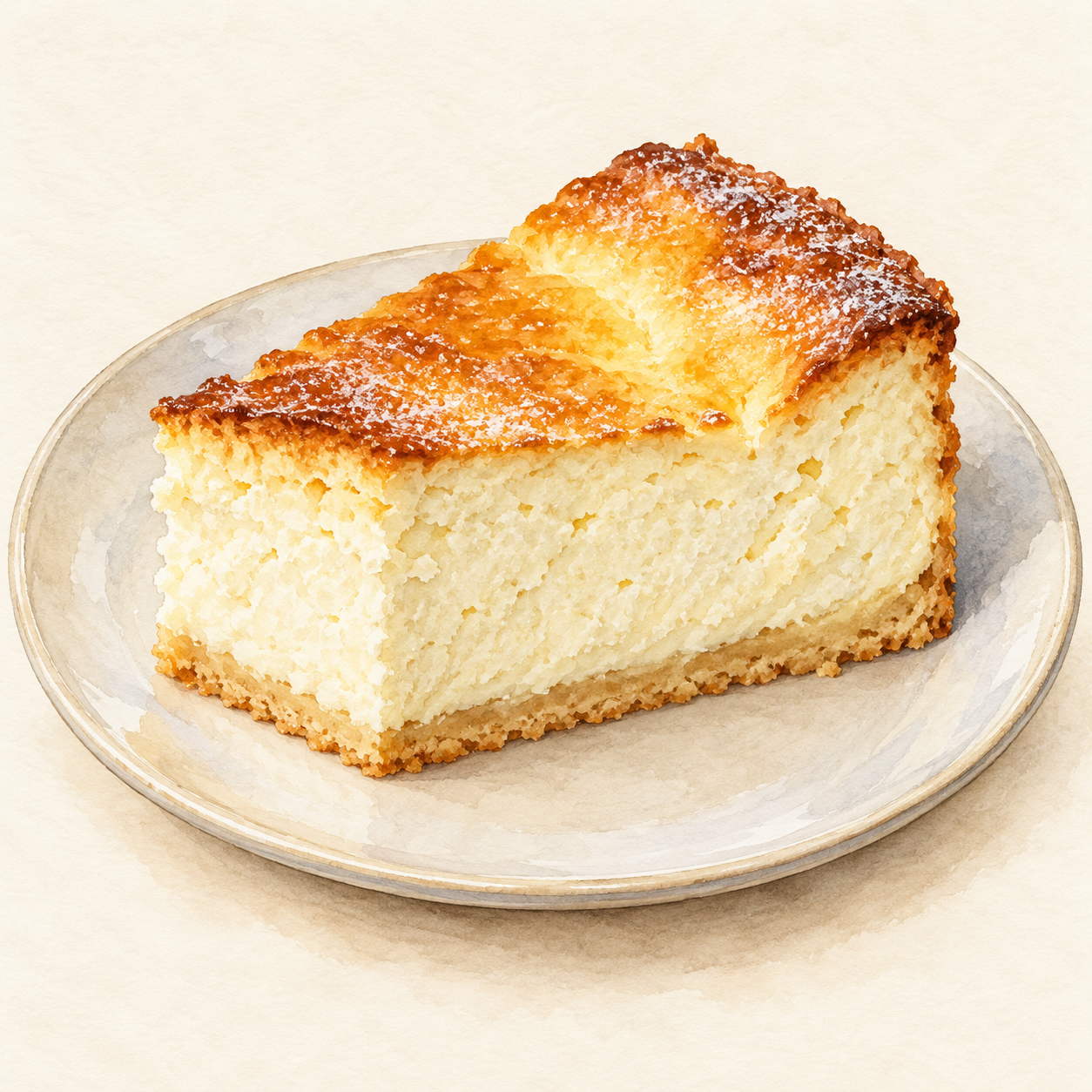
Polish cheesecake owes its character to twaróg curd cheese. Baked versions range from light to dense, with pastry bases, raisins or citrus depending on the recipe.
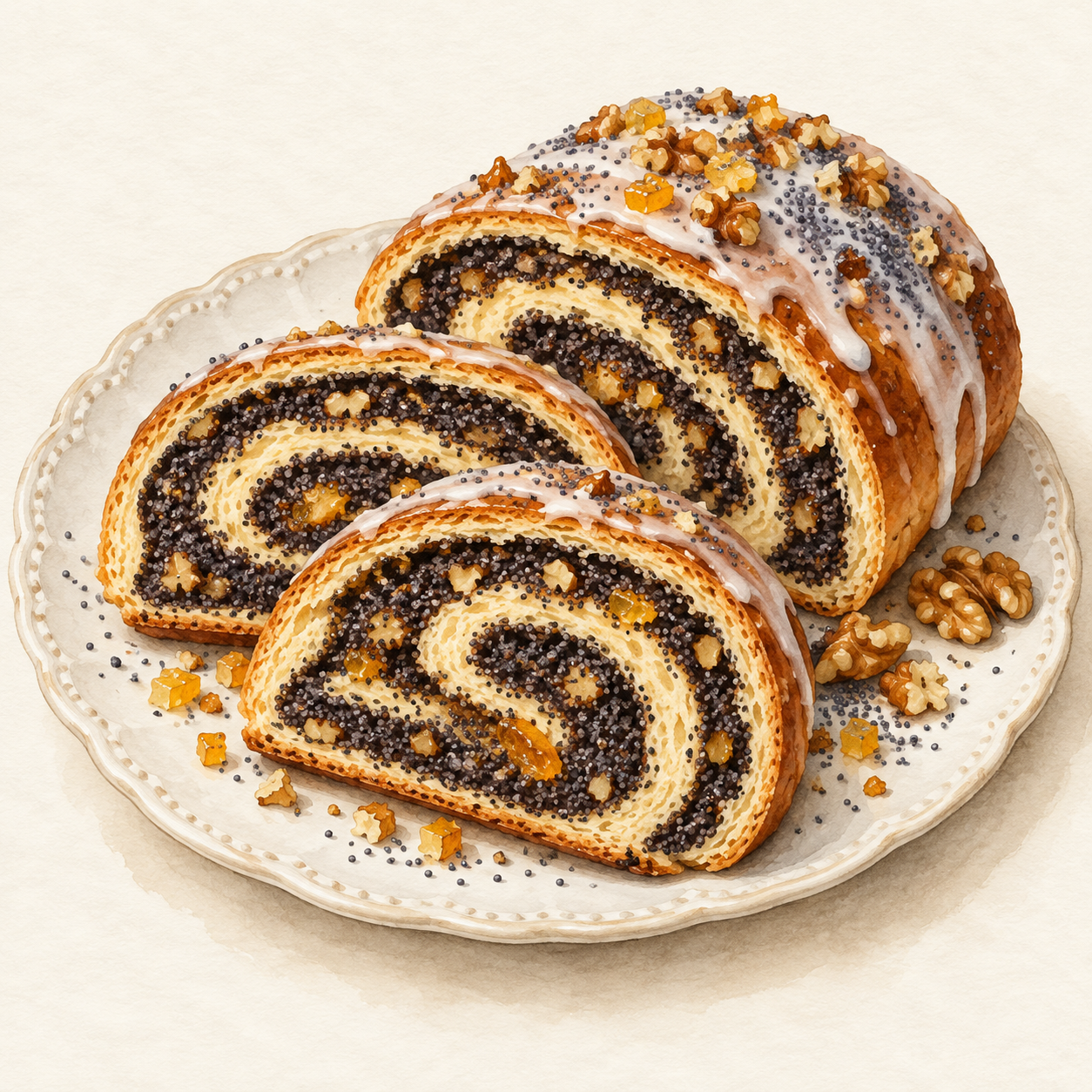
A yeast-dough roll filled generously with ground poppy seeds, often enriched with honey, nuts and dried fruit. A familiar festive bake, sliced to reveal its dark spiral.
Dish images are AI-generated illustrations; family and regional versions vary.
Explore further: Poland Travel ↗ · Polish culinary canon ↗
What makes your pierogi special? Share your Polish recipe with ingredients, quantities and clear steps. The community votes for its favourite each week, just like the places photo galleries.
Christmas Eve is the heart of the Polish family Christmas: the first star in the window, good wishes shared with opłatek, and a supper that brings generations together. Twelve dishes make it a feast to remember. For children watching the presents under the tree, it can feel wonderfully long.
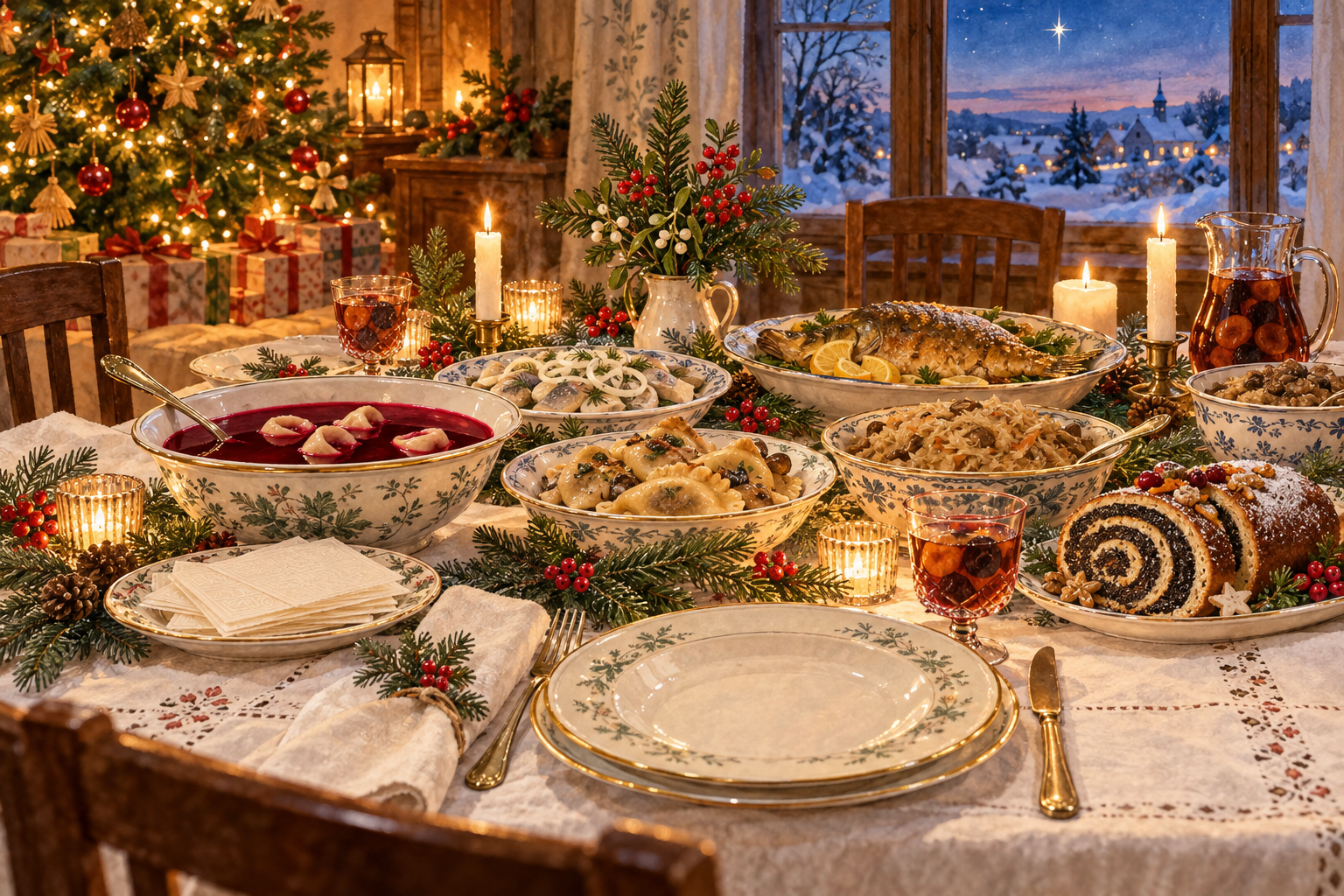
Traditionally, supper begins when the first evening star appears, recalling the Star of Bethlehem. Looking out for it gives the youngest guests an important job.
Before eating, families break and share the thin Christmas wafer and exchange wishes. Traditionally made from wheat flour and water, opłatek is a gesture of closeness and reconciliation.
An extra setting welcomes an unexpected guest. It is a quiet reminder that hospitality belongs at the heart of the evening.
A familiar explanation links the number to the twelve Apostles; another to the months of the coming year. The supper traditionally avoids meat, while fish is welcome. Recipes and the way dishes are counted differ by region and household.
This is one possible spread, with much of the character of the old menu. Opłatek comes before supper; here it is kept separate from the twelve food-and-drink offerings. Families often choose one soup, vary the fish or add regional favourites such as kutia. There is no single nationwide compulsory list.
Poor children: the presents are right there, but the grown-ups are still enjoying supper! In families that follow this custom, every dish must be tried before the gifts can be opened. A little of each is enough to honour the tasting tradition; the wait can still feel like the longest part of Christmas.
The old IntelliBit page told this with a wink: presents must wait until the food is gone. The teasing belongs to the family storytelling — the timing of gifts varies from home to home. After supper come gifts, conversation and often kolędy, Polish Christmas carols.
This chapter takes its welcoming spirit, several menu choices and its gift-opening joke from the original “Season’s Greetings — Christmas in Poland” page. That page also preserves a Christmas Eve barszcz recipe credited to Marja Ochorowicz-Monatowa. Follow the original to read it, or share your own family version in our recipe collection.
The original page is a personal archive. Context is checked against the Adam Mickiewicz Institute’s Culture.pl and the Polish Tourism Organisation. Customs describe traditions rather than rules observed by every family today.
Culture.pl · Christmas Eve traditions ↗Poland Travel · Festive cuisine (PDF) ↗Words, images and music that travel beyond borders.
Ideas that changed how we understand the world.
Champions who inspire generations. Irena Szewińska leads the way.
John Paul II · Karol Wojtyła. A Polish pope with a worldwide legacy.
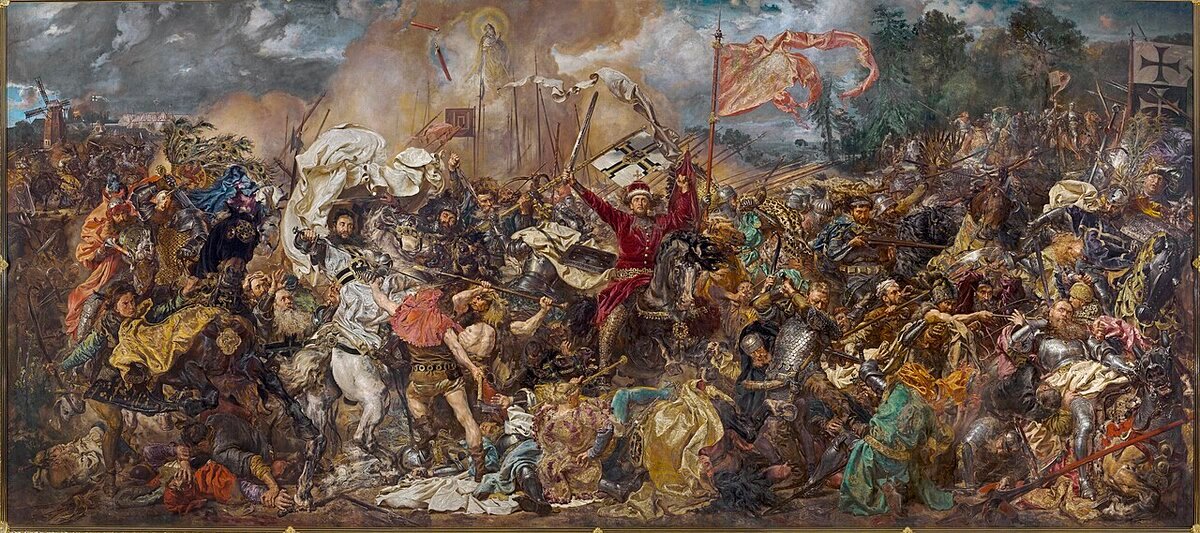 Jan Matejko, Battle of Grunwald, 1878. Reproduction: National Museum in Warsaw. Public domain. Source ↗
Discover Jan Matejko’s vision of Poland: 38 documented paintings, from the beginnings of the state to the struggles of the nineteenth century. Explore historical context, dimensions, museums and credited full-size reproductions.
Enter the Matejko gallery If Matejko were immortal: 12 new AI paintings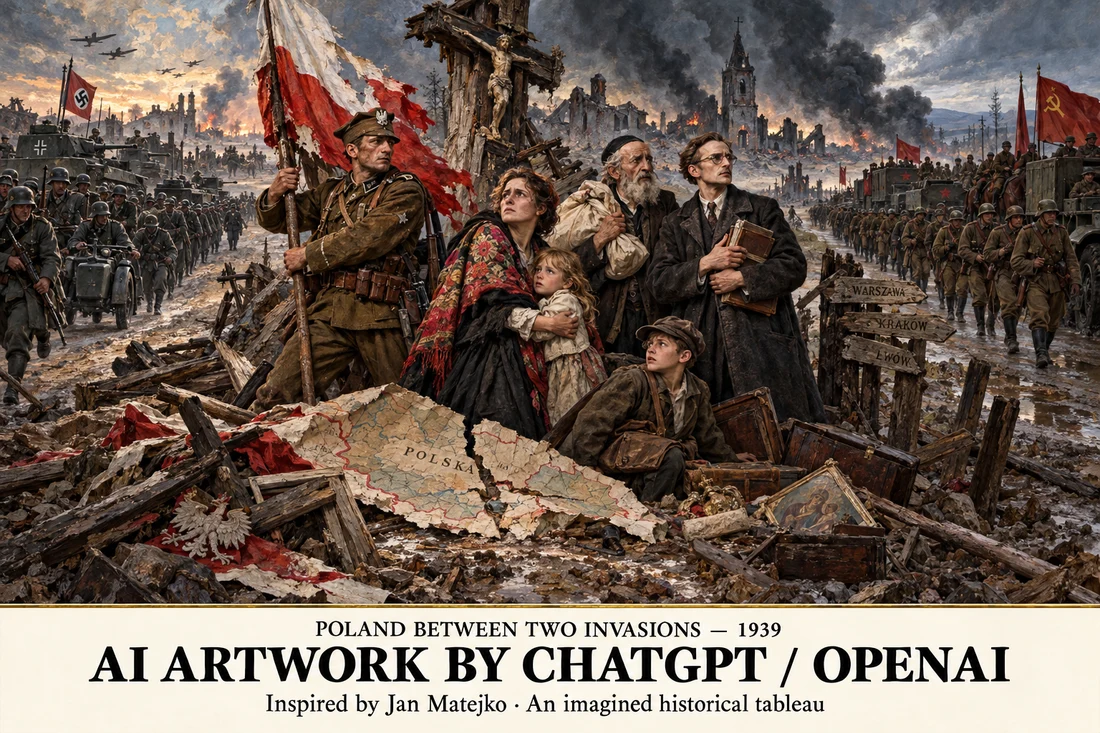 NEW · AI ARTWORK BY CHATGPT / OPENAI
Some places stay with you. Share a photograph of yours, vote for the moments you love, and help our story grow. Each week, the community’s favourite joins the gallery.
Share your Poland Choose any destination to upload a photograph.